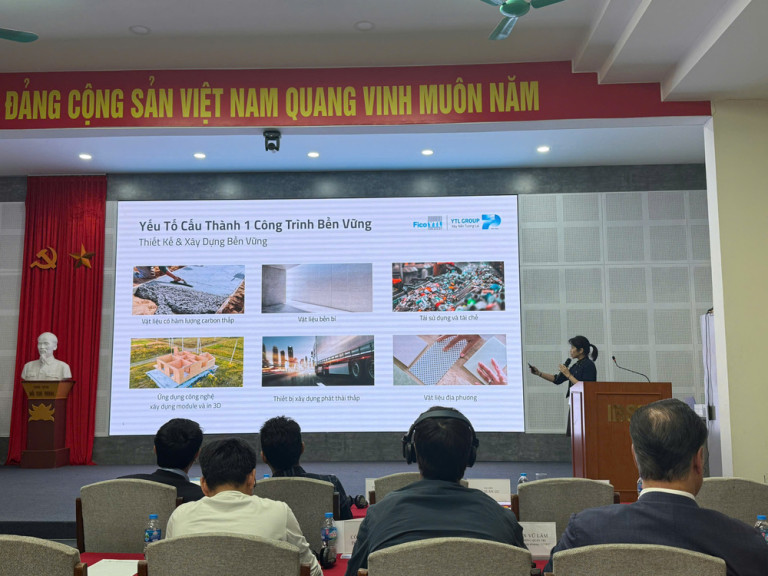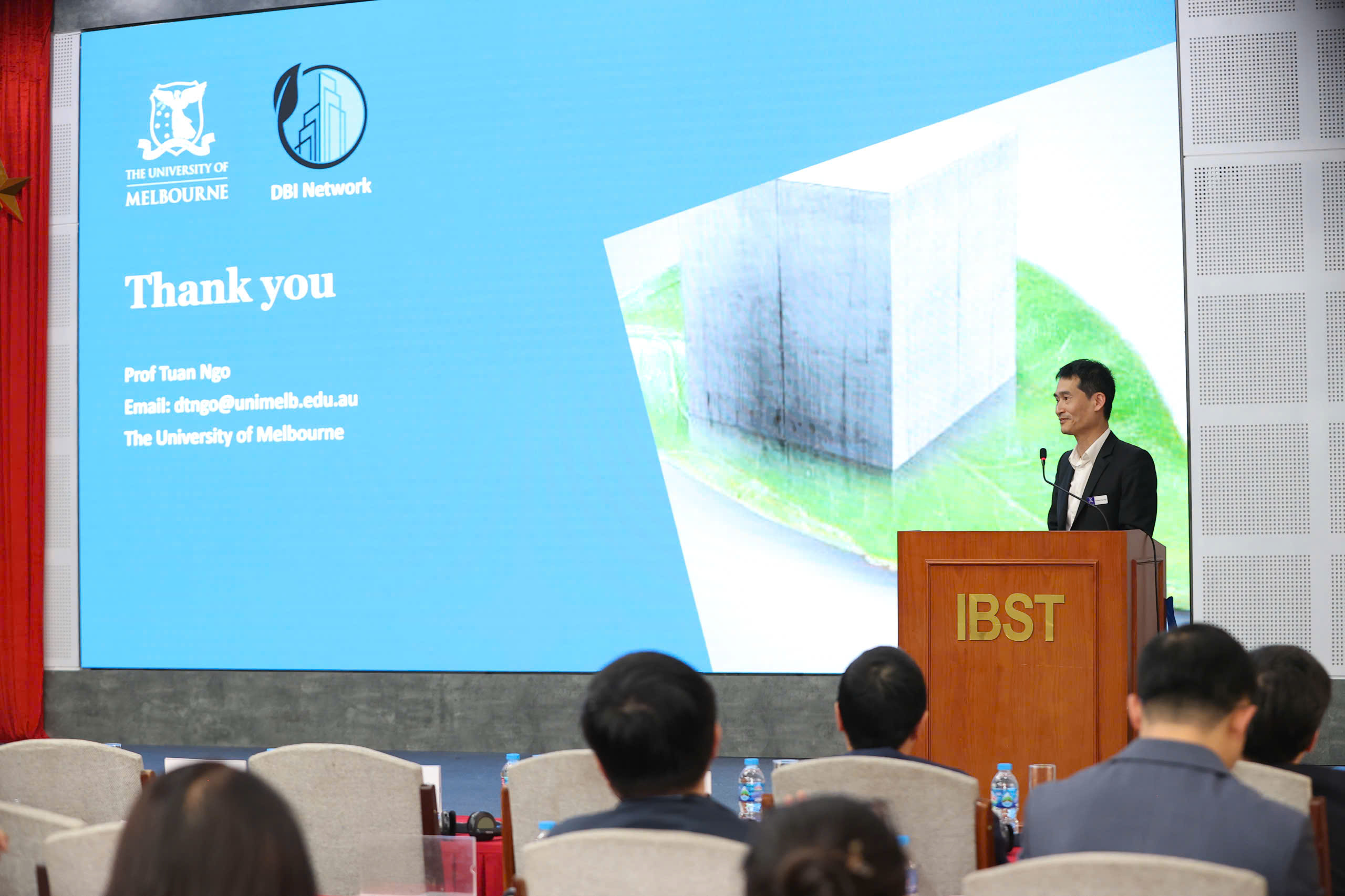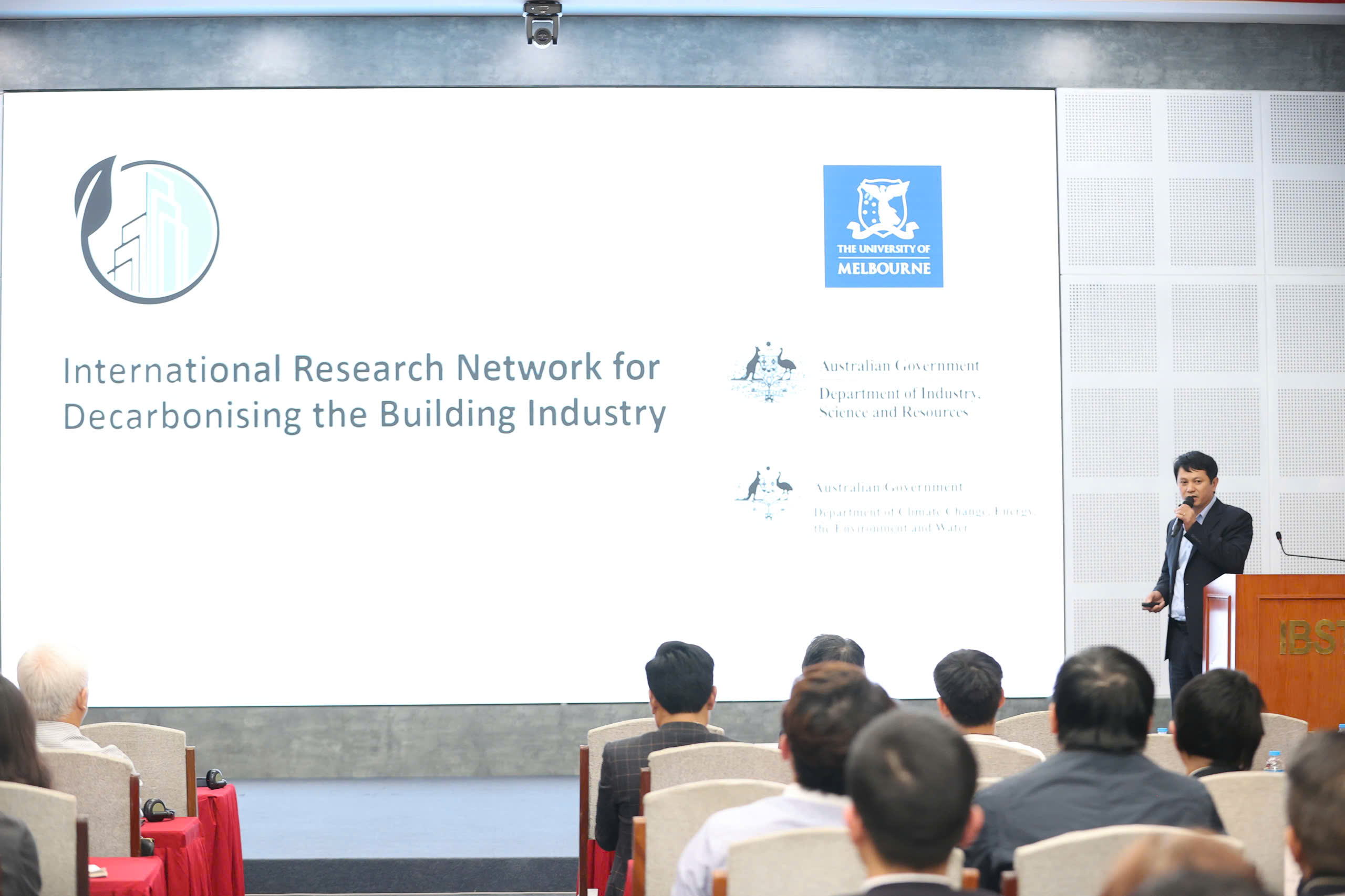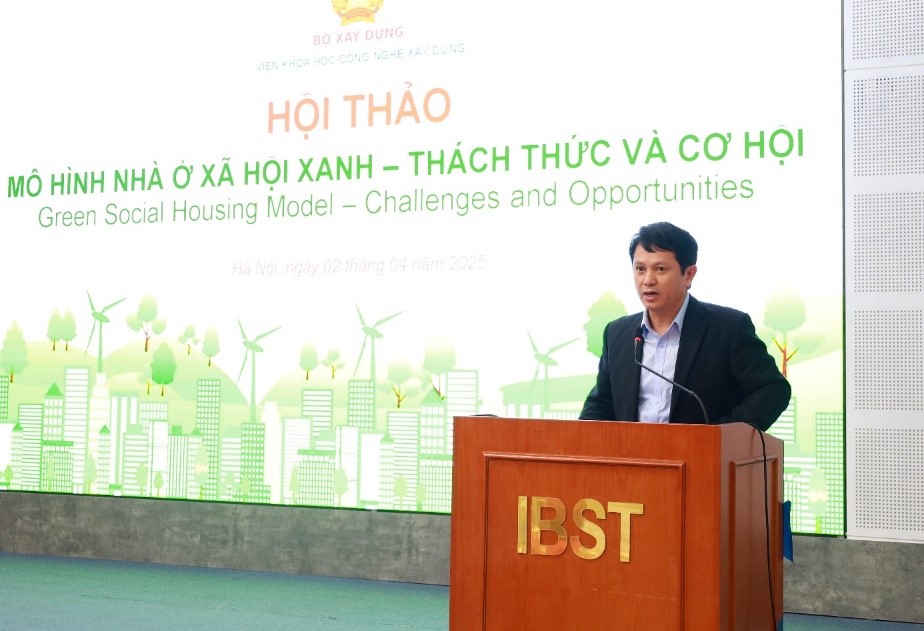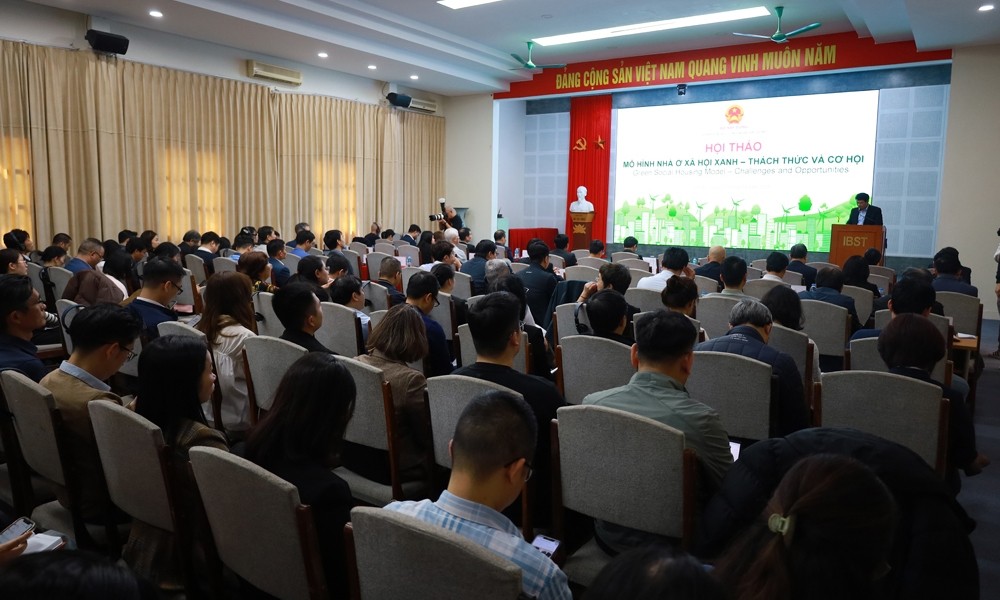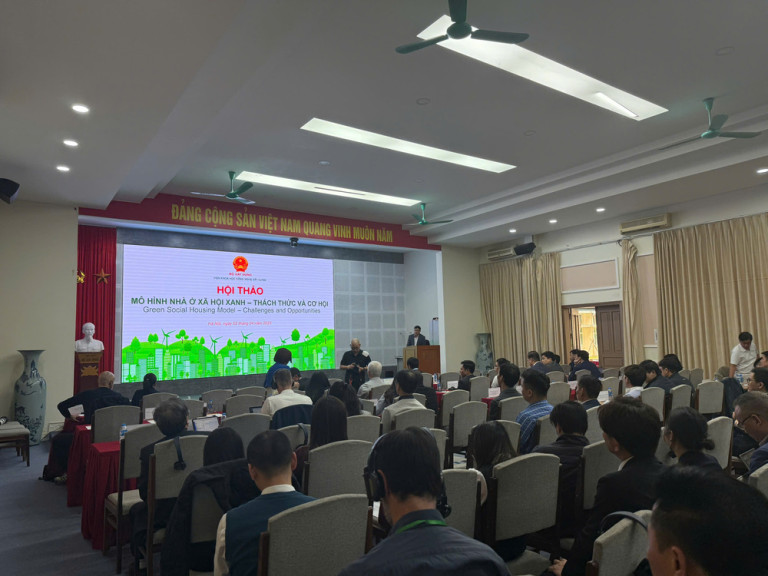
Vietnam’s leading forum on sustainable construction is set to convene again, with the conference in the series on low-carbon social housing occurred on 22 May 2026 in Ho Chi Minh City, followed by a second session in Hanoi in September 2026. Organised through the Vietnam Institute for Building Science and Technology (IBST) under the Ministry of Construction, and supported by the International Research Network for Decarbonising the Building Industry (RNDBI), these gatherings bring together policymakers, architects, engineers, developers, and researchers to advance Vietnam’s ambitious target of reducing greenhouse gas emissions in the construction sector by at least 74.3 million tonnes of CO₂ equivalent by 2030. Last year’s conference explored the full spectrum of standards, regulations, and technical solutions needed to deliver affordable housing that is also genuinely low-carbon, from passive cooling design and life-cycle carbon assessment to modular prefabricated construction systems.
Building on the momentum of the 2025 series, IBST and its partners are continuing to develop a national decarbonisation roadmap for the construction sector and to implement practical guidelines for low-carbon social housing design. Key workstreams include research into prefabricated light steel frame standards, whole-life carbon calculation methodologies aligned with EN 15978, and Environmental Product Declaration (EPD) frameworks for Vietnamese building materials. The pilot modular housing project, featuring Design for Manufacture and Assembly (DfMA) principles, is progressing from standards development through prototype design toward full-scale testing. With Vietnam targeting over one million social housing units by 2030, the conference series plays a critical role in ensuring that this massive construction programme is delivered not only affordably and quickly, but in a way that meaningfully reduces the sector’s carbon footprint and positions social housing projects as potential carbon credit generators.