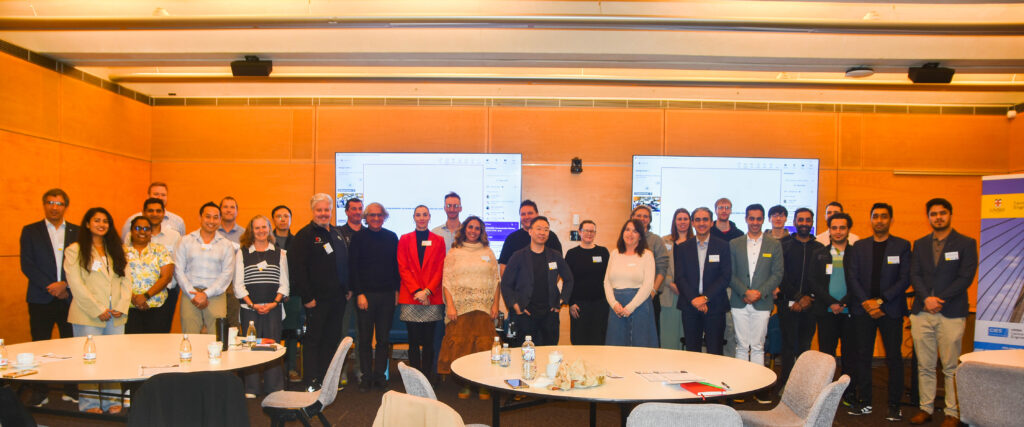
Australia’s built environment faces a dual challenge: we need far more housing, delivered faster and more affordably, while dramatically cutting carbon emissions across the entire lifecycle. The recent symposium Decarbonisation Pathways using Modern Methods of Construction (collaborative event hosted by UNSW’s Centre for Infrastructure Engineering and Safety (Construction Automation Lab), in partnership with the Decarbonising Building Industry (DBI) Network) brought together researchers, industry leaders, government representatives, and innovators to explore whether Modern Methods of Construction (MMC) can deliver on both fronts.
The clear consensus? MMC does not automatically reduce carbon. Success depends on thoughtful design, material choices, manufacturing processes, supply chain integration, and enabling policy. The greatest potential lies in combining advanced manufacturing, computational design, low-carbon materials, digital workflows, and strong collaboration.
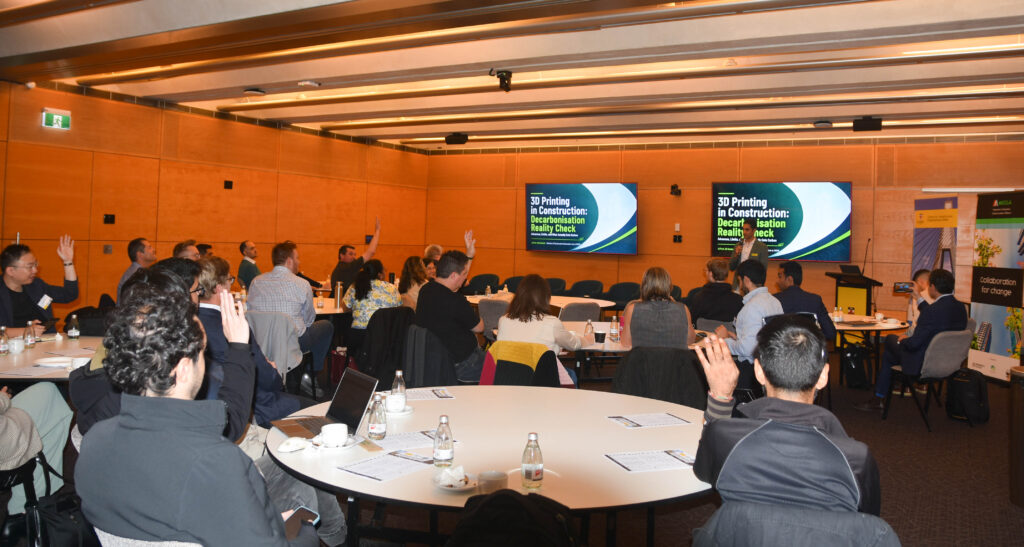
Expert Voices: Innovations and Pathways Forward
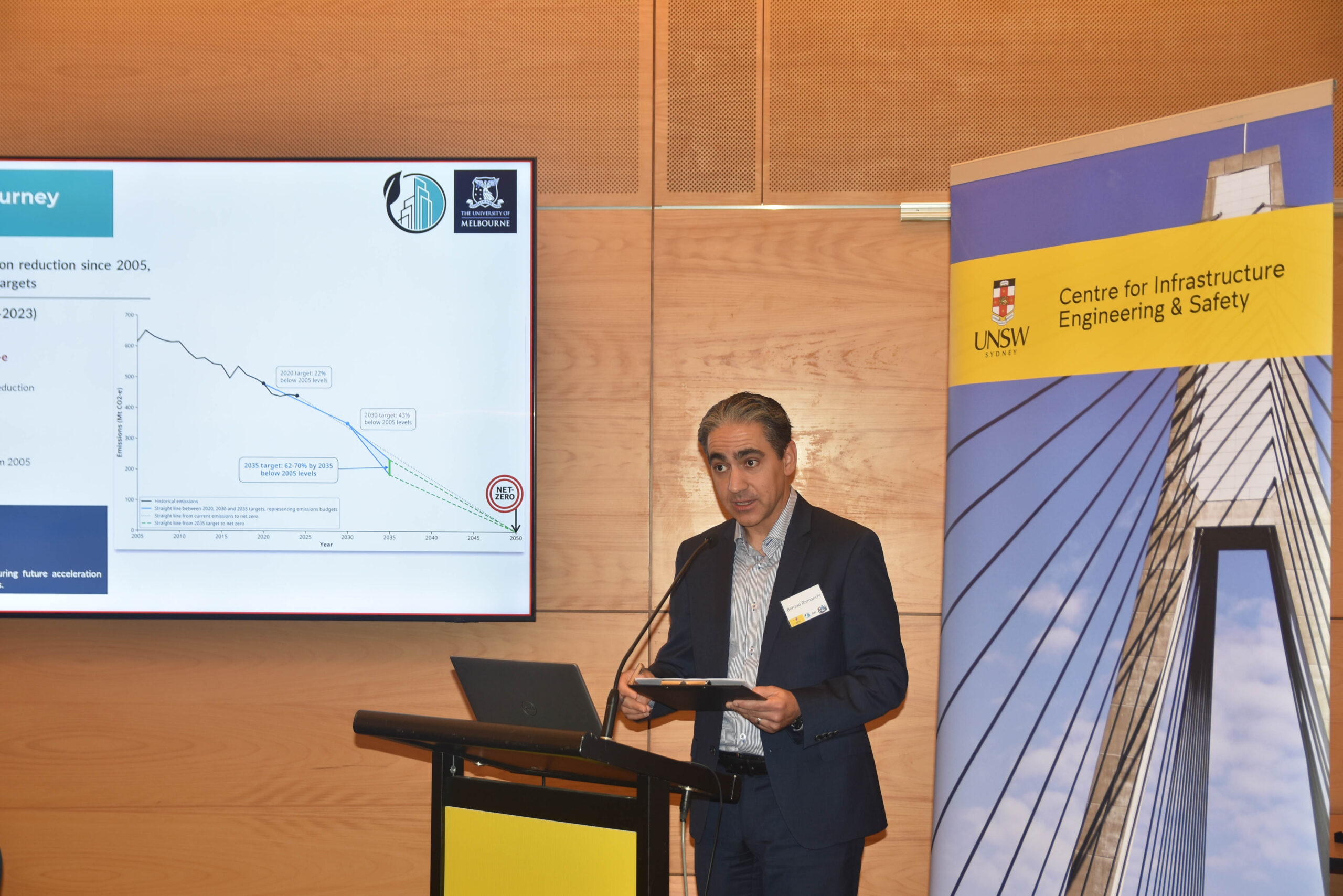
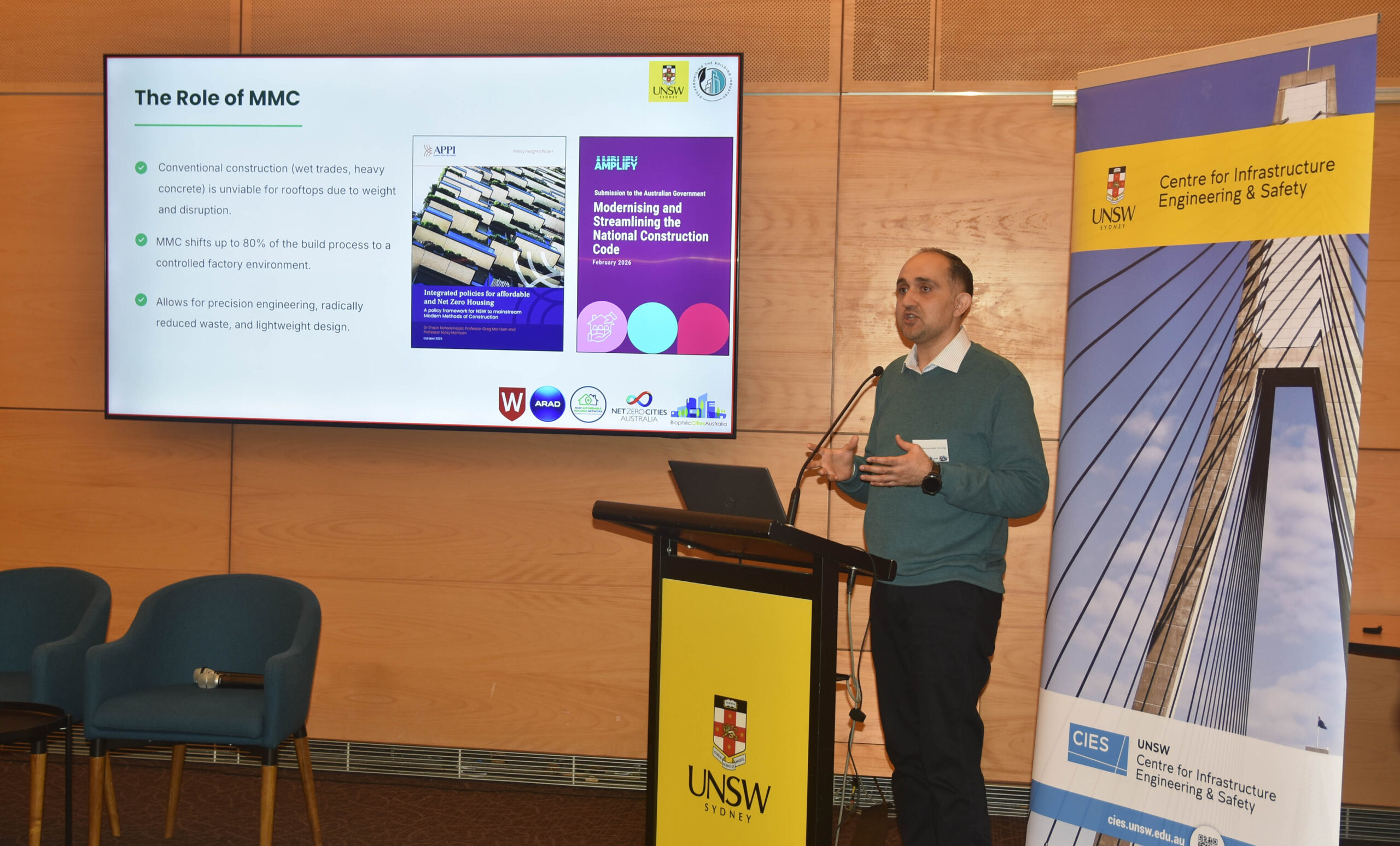
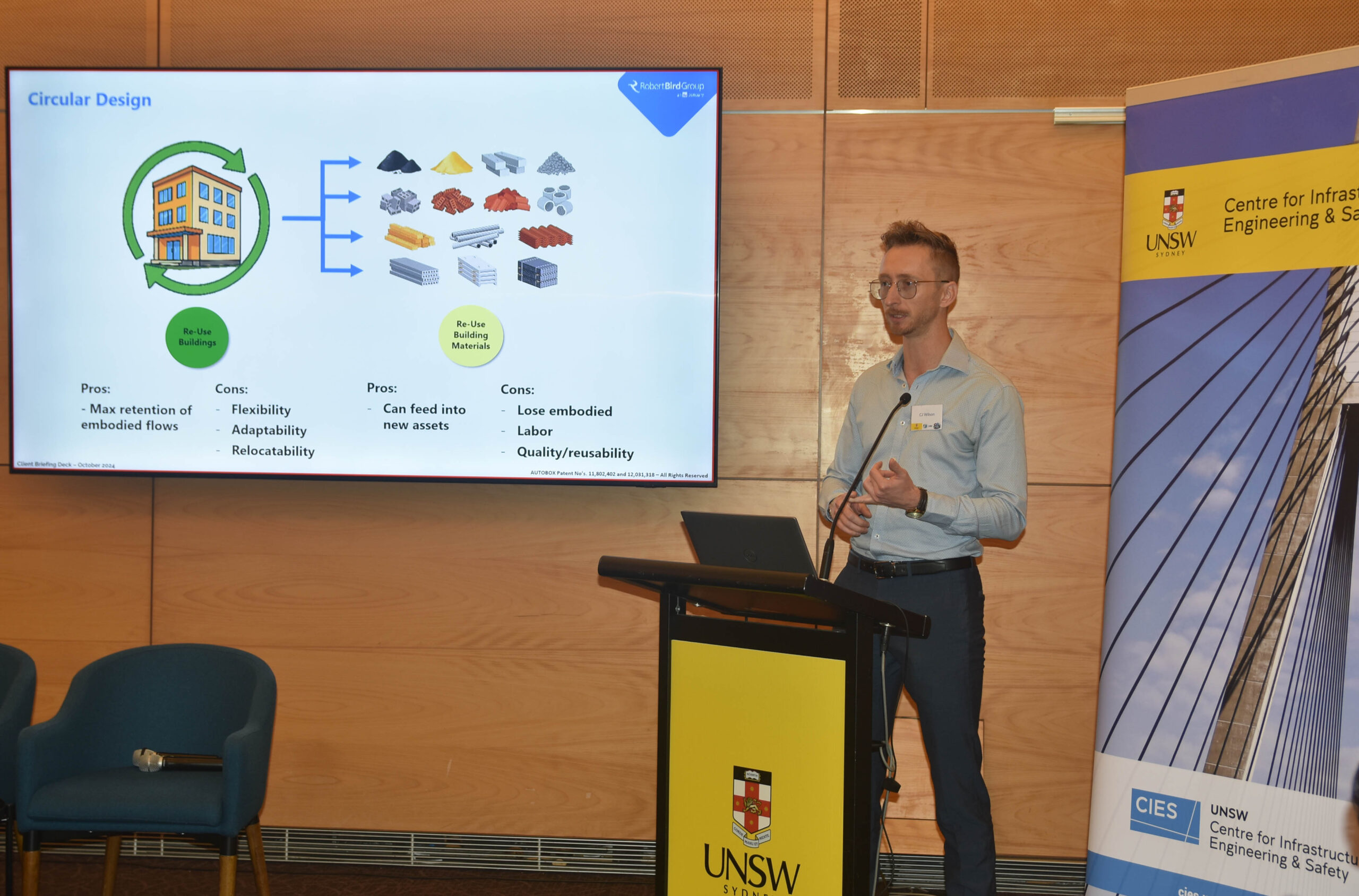
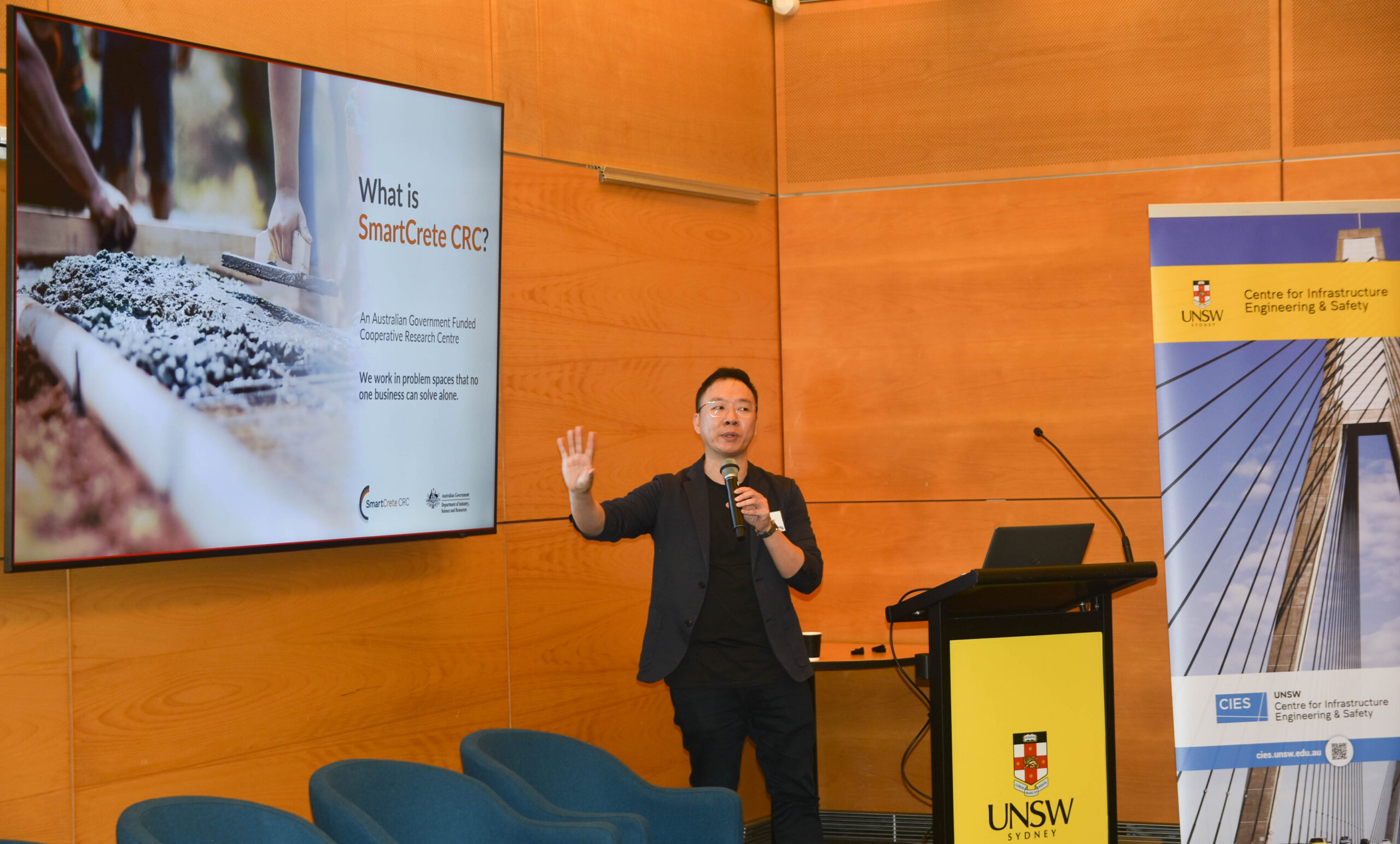
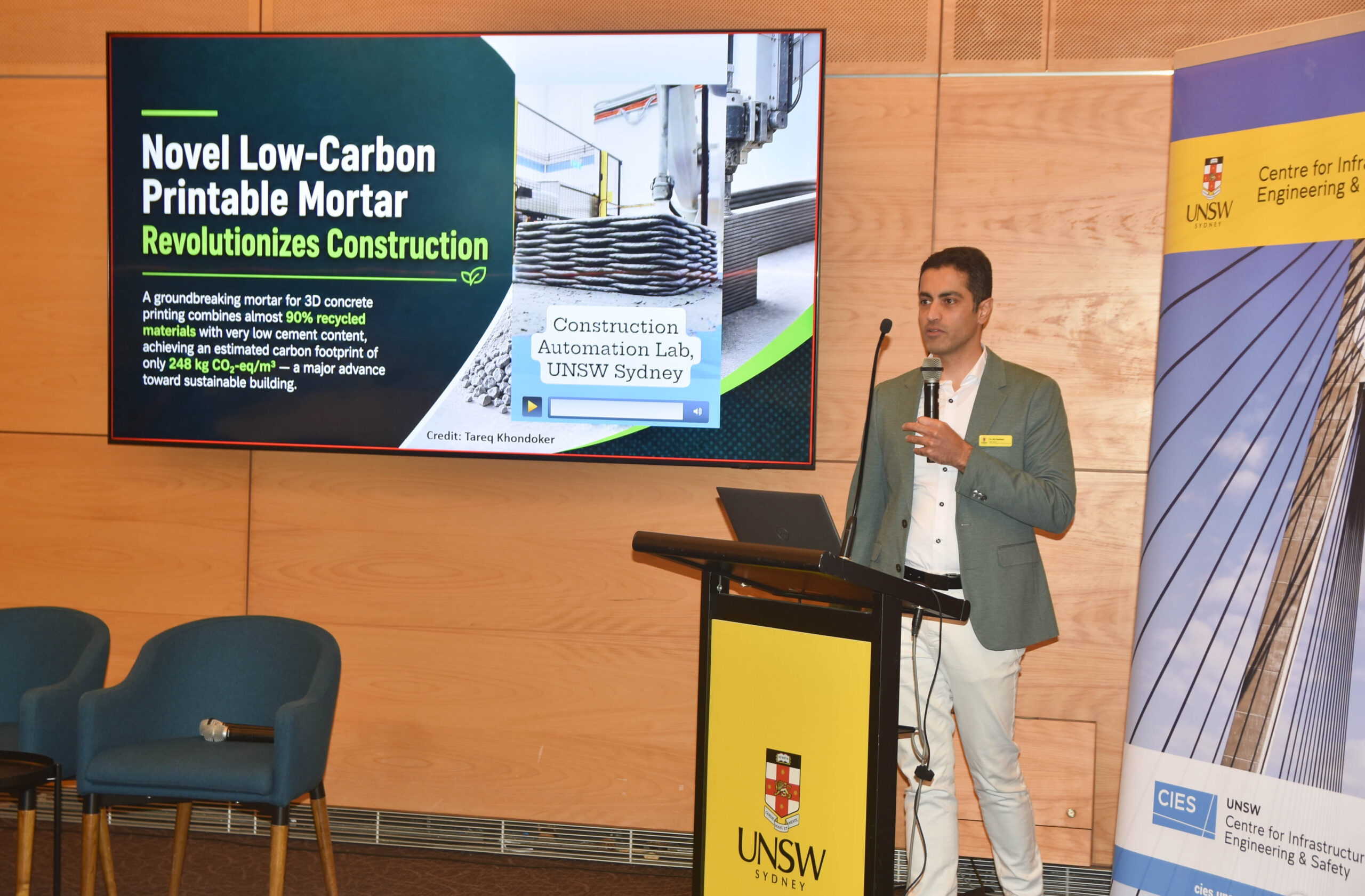
The symposium featured a compelling lineup of presentations that illustrated both the promise and the practical realities of using Modern Methods of Construction (MMC) for decarbonisation. Associate Professor Behzad Rismanchi set the stage with Australia’s emission reduction targets and DBI’s collaborative roadmap, stressing the need for accelerated renewable energy adoption, energy efficiency, low-carbon materials, and industry-wide partnerships. Dr Ehsan Noroozinejad highlighted rooftop airspace development using modular construction as a smart way to add housing while avoiding up to 70% of embodied carbon by reusing existing structures. CJ Wilson introduced Robert Bird Group’s AutoBox system, advocating for buildings as adaptable “systems of systems” that prioritise disassembly and reuse over traditional circular economy approaches. Other talks explored system enablers (Hugh Ong, SmartCrete CRC), hidden carbon in project delivery (Scott Hearne, Foment Collective), and the design freedoms unlocked by 3D concrete printing with topology optimisation and recycled materials (A/Prof. Ali Kashani, UNSW).
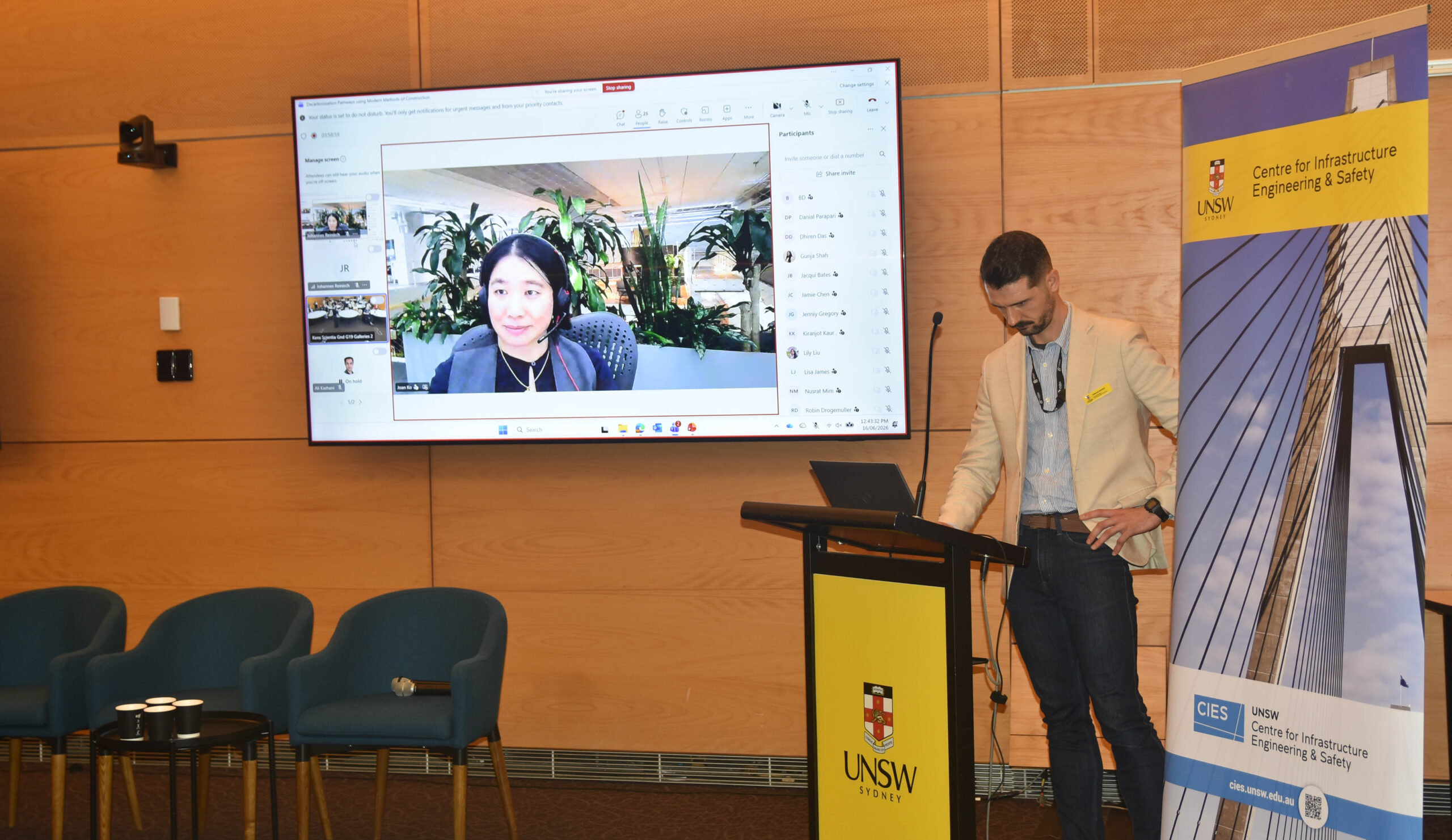
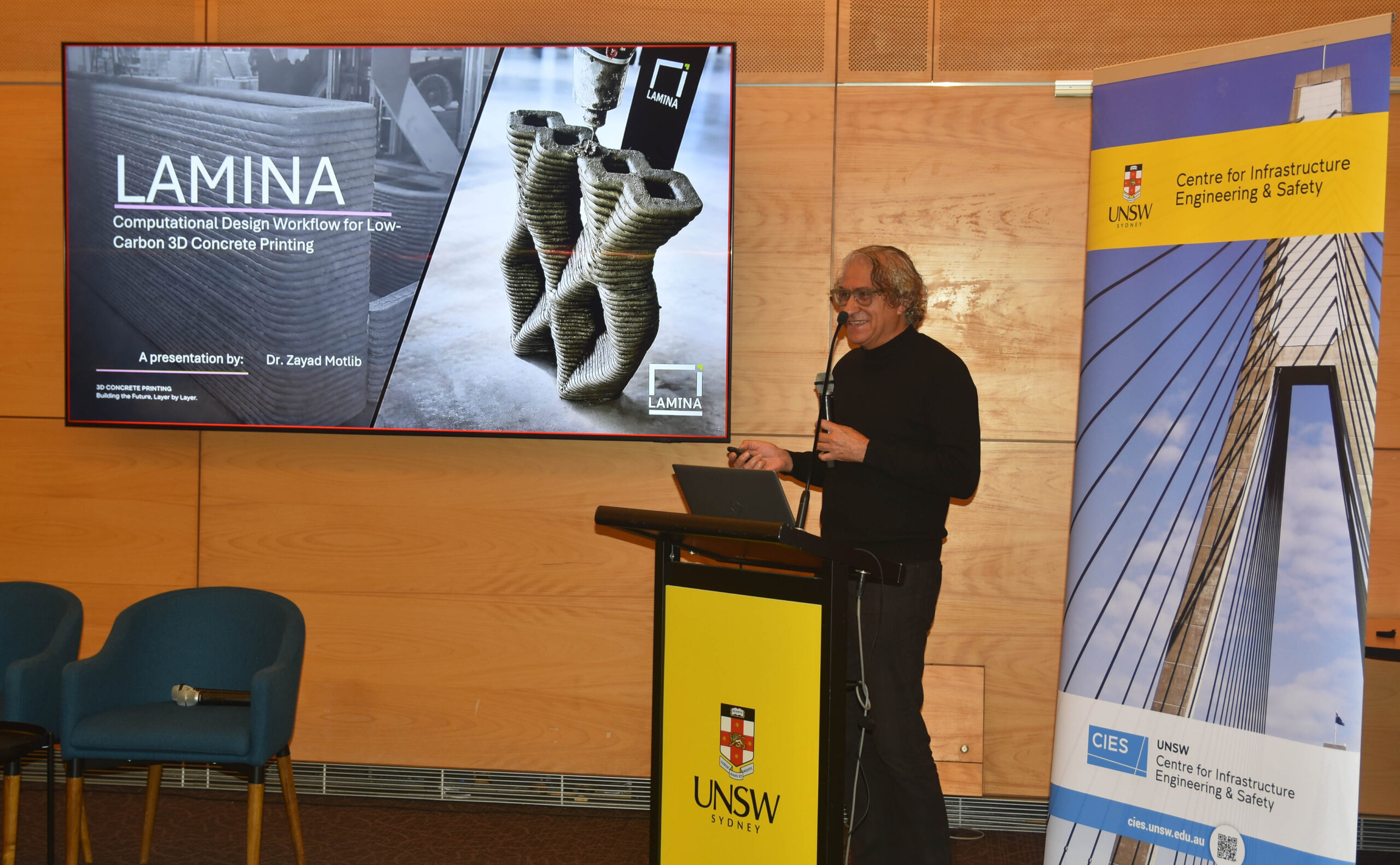
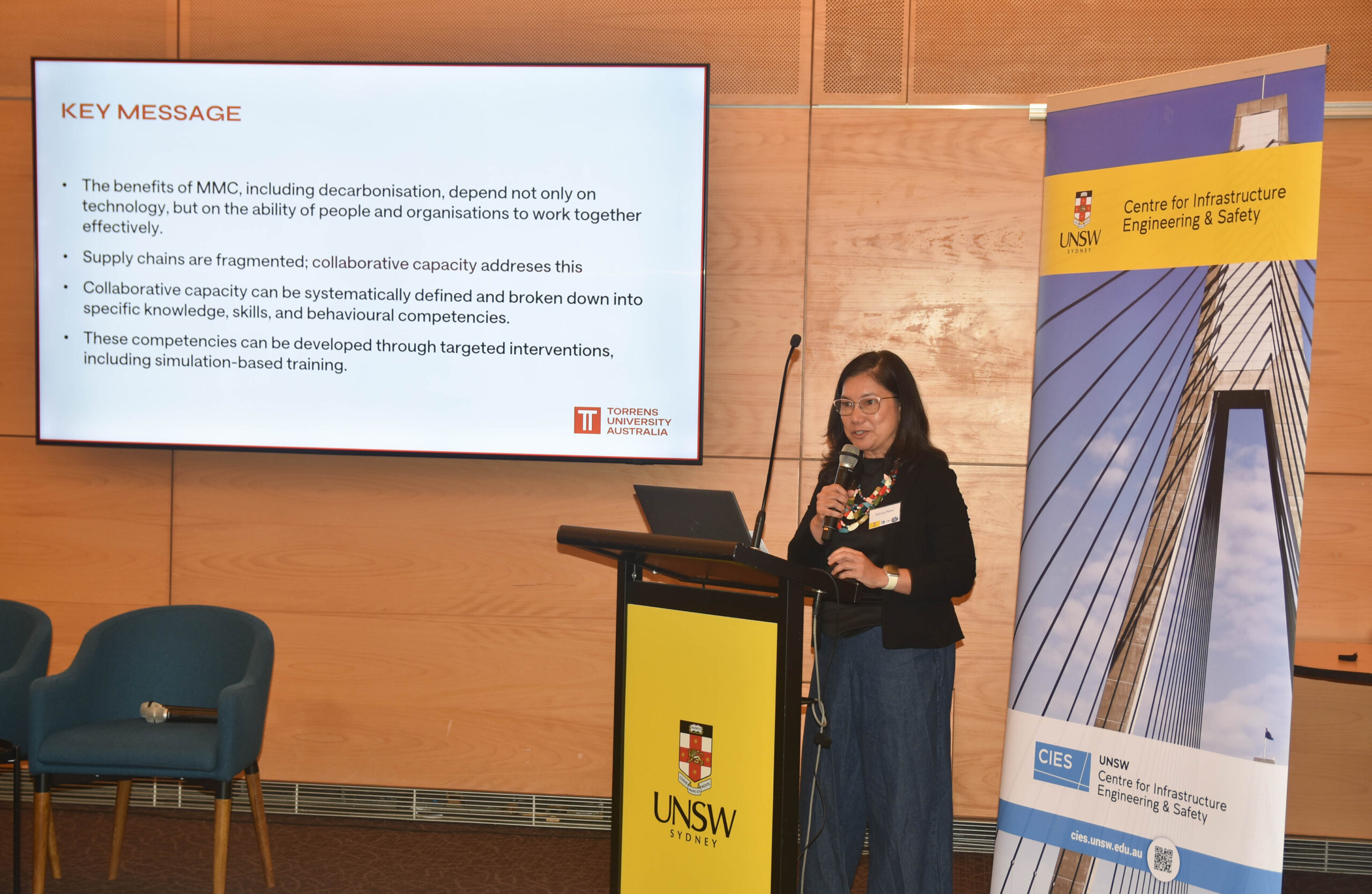
Further presentations delved into digital innovation and collaboration. Dr Zayad Motlib showcased Lamina, a computational workflow from Arch_Manu that integrates design, structural optimisation, and machine constraints for more efficient 3D concrete printing. Professor Zelinna Pablo emphasised the importance of building collaborative capacity across organisations—leadership, trust, and systems thinking—as a prerequisite for successful MMC adoption. Joan Ko (Arup) presented integrated least-cost pathways to net-zero housing that combine operational performance, embodied carbon reduction, and lifecycle thinking. Together, these talks demonstrated that meaningful decarbonisation emerges from combining advanced manufacturing, computational tools, low-carbon materials, and stronger cross-sector collaboration rather than any single technology.
Find out more about the presentations through this post.
Panel Discussion: A Whole-of-System Approach
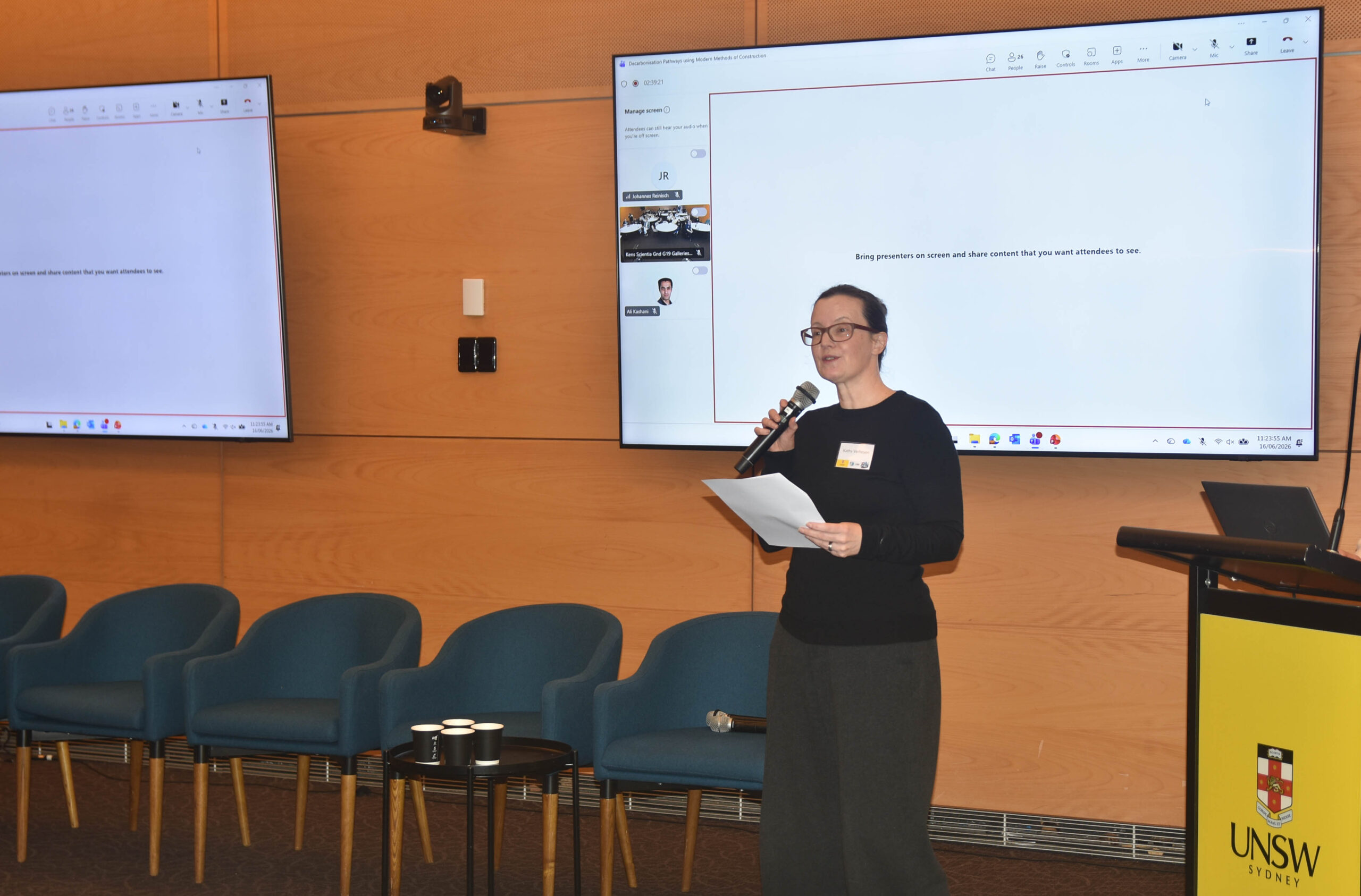
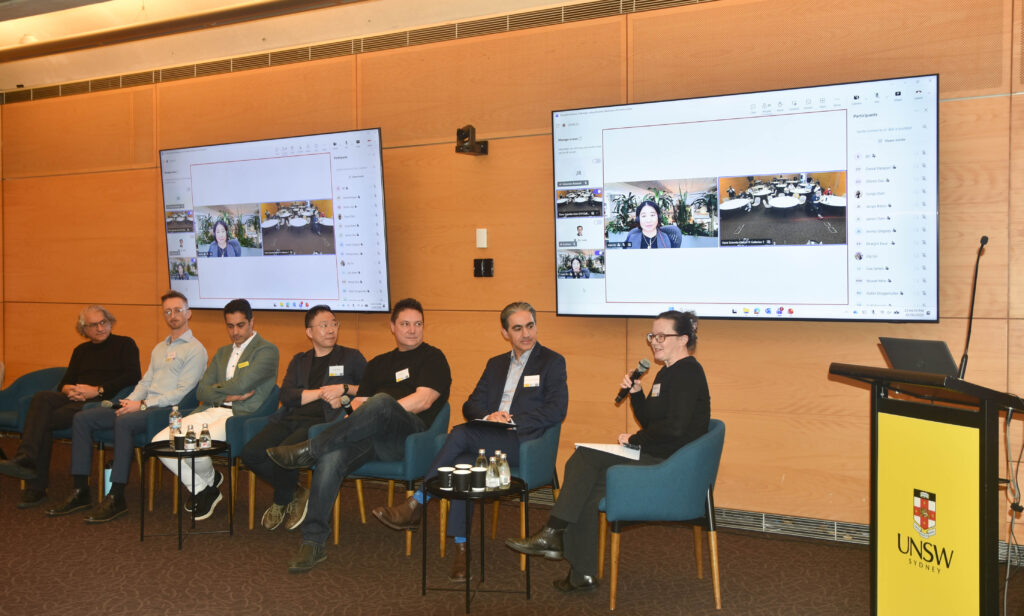
Chaired by Kathy Verheyen (MECLA / Climate KIC Australia), the panel reinforced several recurring themes:
- Decarbonisation demands a whole-of-system view rather than isolated technologies.
- Embodied carbon reductions come from material optimisation, efficient design, and waste elimination across delivery.
- Standardisation, digital tools, and integrated supply chains are powerful levers.
- Policy reform, updated standards, and cross-sector collaboration are essential.
- Leadership and partnerships across research, industry, government, and communities will determine success.
The Road Ahead
The symposium made it clear that MMC, when thoughtfully implemented, offers genuine hope for scalable, affordable, low-carbon buildings. But realising this potential requires moving beyond pilots and demonstration projects toward systemic change.
For those working in the built environment—whether in research, design, construction, policy, or manufacturing—the message is energising: we have the tools, the knowledge, and growing momentum. What we need now is coordinated action, continued innovation, and stronger collaboration to turn these pathways into widespread practice.